“True apologies are not about defending ourselves, but fully acknowledging the impact our actions had on others and taking responsibility for our behavior.” ~ Marshall Rosenberg
Empathic Connection: Invite the other person to share their pain however they express it. Connect empathically with the present pain in the other person, opening your heart to them without defensiveness. Maintain this focus as much as you can until the person is complete and expresses a desire to hear what arises in you. (You may ask them if they are complete and would like to hear how you feel).
Expression: Self-responsibility / acknowledgement – Acknowledge how your choices might have contributed to the other person’s experience, without taking any responsibility for their experience or self blame.
Expression: Mourning – Focus on expressing what needs of yours were not met by the action you took. As much as you can, connect deeply with your unmet needs so you can share yourself without defensiveness Check how the person feels when you are done, and see if they are interested in and ready for the next step.
Expression: Understanding for your action – Some of the pain we experience when other’s actions don’t meet our needs has to do with bewilderment about how someone could possibly act that way. There is a deep need for understanding and re-opening our hearts to another’s humanity even when they have acted in ways that were painful for us. This step is intended to meet this need for understanding of the feelings and needs that led you to take the actions that contributed to pain for the other person. Focus on contributing to the other person, not on wanting to justify or even receive their understanding or forgiveness. You are still focused on the other person even though you are sharing your own pain. Therefore, again, the more you can connect with your own humanity (the needs that led you to do what you did), the more you’ll be able to speak without defensiveness, and with full compassion and care for both of you.
Agreements / Requests – Explore with the other person what you can do or say differently in the future to act in ways that are caring for all.
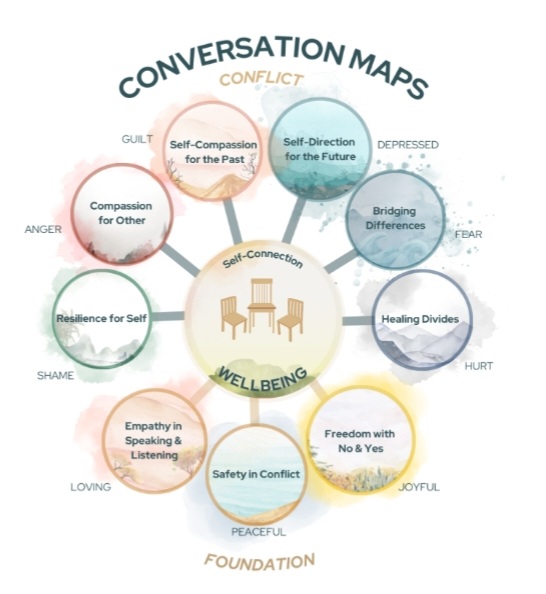
E.g. Healing Divides/Reconciliation & Healing process, for talking to someone when there are feelings of emotional hurt and pain in you and/or another person, and perhaps judgments of blame and feelings of anger.
“Nonviolent Communication is a way of keeping our consciousness tuned in moment by moment to that beauty within ourselves and others, and not saying anything that we think might in any way tarnish people’s consciousness of their own beauty.”
To be a human being is to regularly be in conflict with oneself and others. Since we are biological beings, we are not able to be inside another person’s experience, which means that each of us has our unique frame of reference on the world. Brain scientists tell us that our experience shapes how the mind perceives the world. We all know this intuitively. In a simple example, you and I can go to a movie together, and you might be impassioned while I might be bored. The difference lies in each of us, not in the movie. In a similar vein, scientists also suggest that, in ways that are not yet fully known, the brain in effect has several conversations happening simultaneously in the process of producing what we experience as a unified consciousness of a present situation. Thus, both inside our minds and with other people we are immersed in conversations that contain differing perspectives, and conflicts inherently arise.
I have found NVC mediation to be an effective means of reconciling these differing perspectives, so much so that I have taken it on as an all-encompassing life practice. The same skills apply whether I am working on a conflict within my own head, a conflict between myself and another person, or a conflict between two or more people, or whether I am seeking to return to presence in the process of the every day occurrences of my life. Taking on the practice of NVC mediation means to constantly hone and expand the capacity to contribute to the reconciliation and healing of conflict. In this article, I’ll explain the basic premise and process of NVC mediation and where it came from, then go into detail on a number of characteristics of this form that I find make it a particularly potent model… (continues)
Dr. Marshall Rosenberg, “I developed NVC as a way to train my attention—to shine the light of consciousness on places that have the potential to yield what I am seeking. What I want in my life is compassion, a flow between myself and others based on a mutual giving of the heart.”
"Never question the beauty of what you are saying because someone reacts with pain, judgment, criticism. It just means they have not heard you." ~ Marshall Rosenberg
NVC is a tool, in our toolbox (akin to a paintbrush); how it is expressed, on the canvas of our lived existence, may be as varied as the fruits of each painter's artistic choices & creative risks.
Toolbox – Tools for Call
e.g.
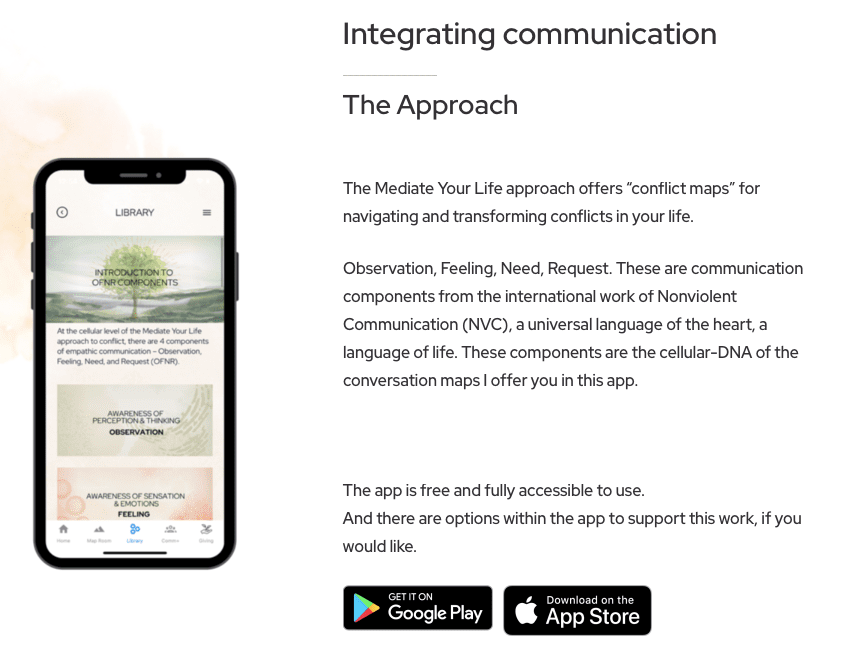
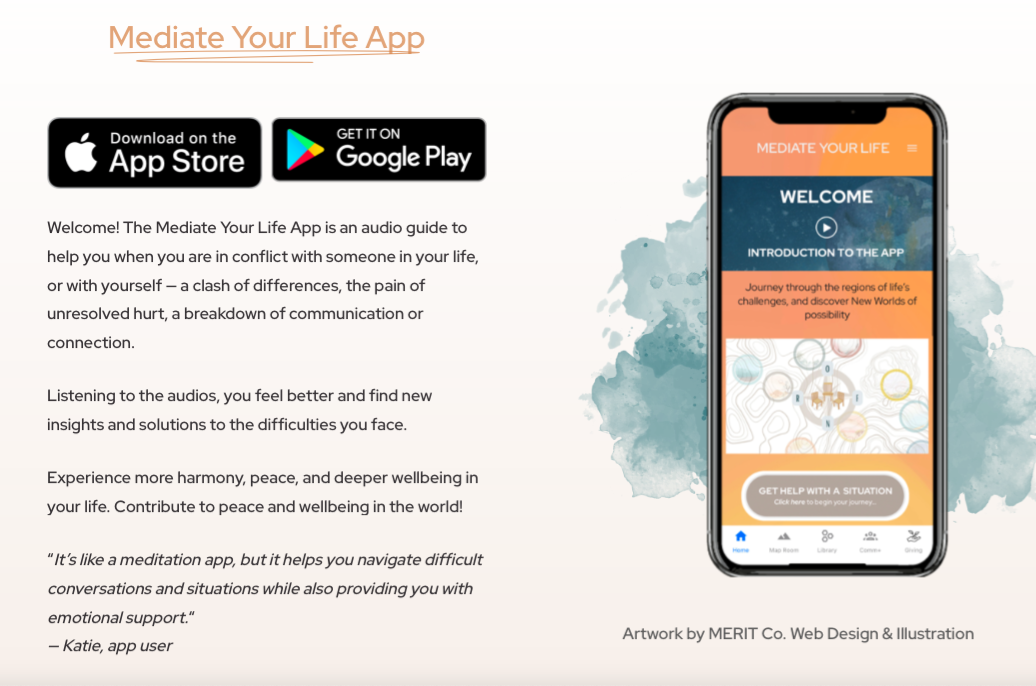
Recommended: Free NVC/MYLApp (as a composting/'posthersal' if/then)
NVC handout from 1980s (note "dreams" - perhaps inspired by MLK)
"Most of us live in a Jackal world where we take turns using the other person as a waste basket for our words." ~ Marshall B. Rosenberg
"From his work with civil rights activists in the '60s, Rosenberg came up with the precise language of Nonviolent Communication, designed to minimize defensive reactions and maximize cooperation." Katy Butler
When once asked about why he, Marshall Rosenberg, opted to shift from "dreams" (1.0) to "universal human needs" (2.0) he offered it was quicker, it simply took less time.
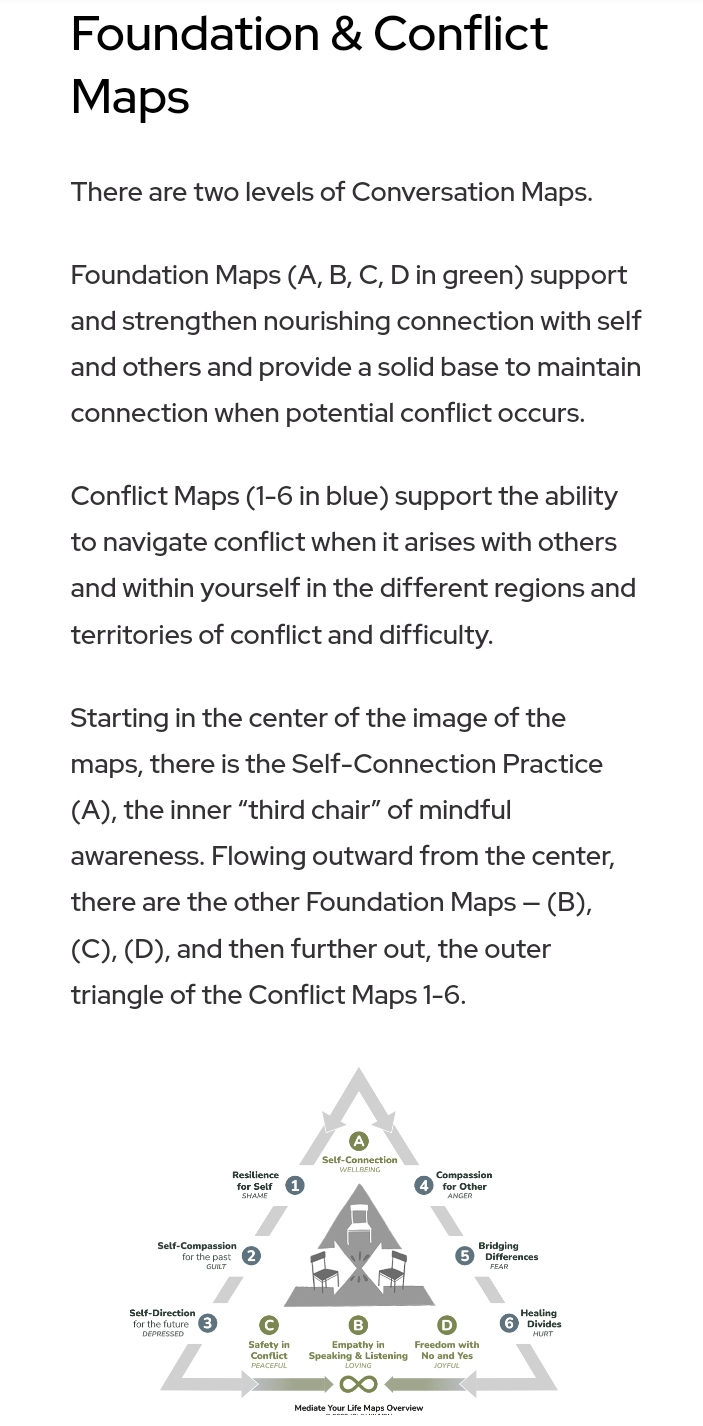
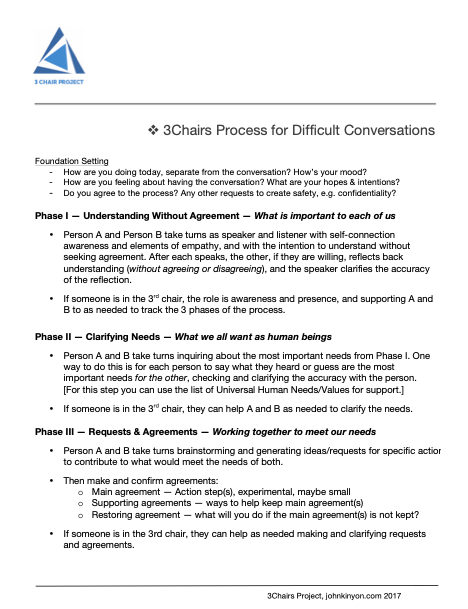
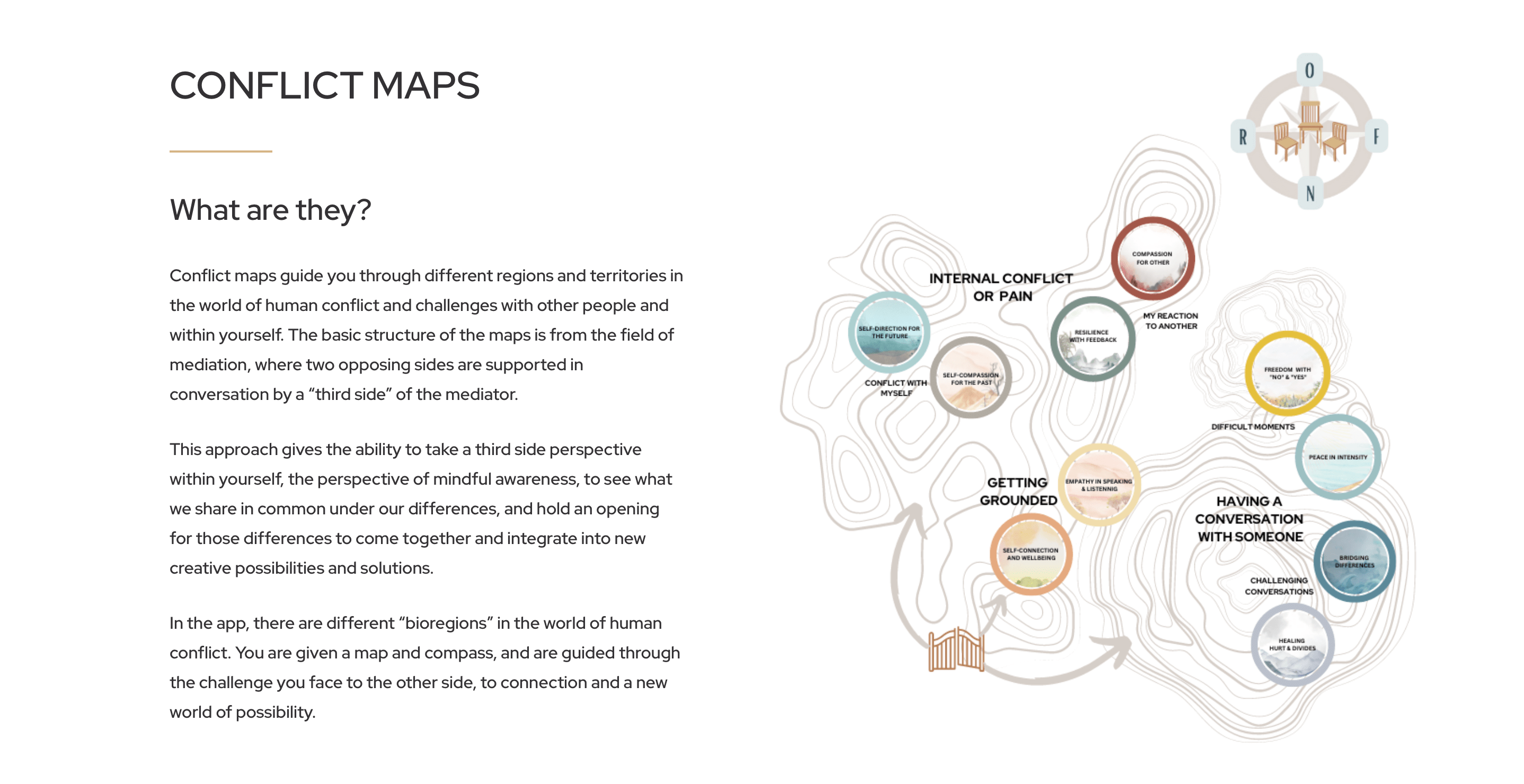
"It’s not about racing toward a resolution. The approach I offer holds empathy for both sides of a conflict. In my 3 Chair Model, being the mediator is to sit between the “two chairs” — the two sides of a conflict and the relationship between subconscious and conscious dimensions of our experience.
The third side perspective isn’t above or outside of the conflict— it’s a conduit for deeper connection within it that reconciles and heals.
Sitting in the third chair symbolizes the most evolved aspect of an individual's self-awareness... " (continues)
"...and for all his sweetness, he had the tiger and the jackal in his soul." ~ American feminist Voltairine de Cleyre via NYT (gift link)
“We don't rise to the level of our expectations, we fall to the level of our training.” ― Archilochos
Visiting "street giraffes" from around the globe (all the countries, in green, that have visited this blog!)
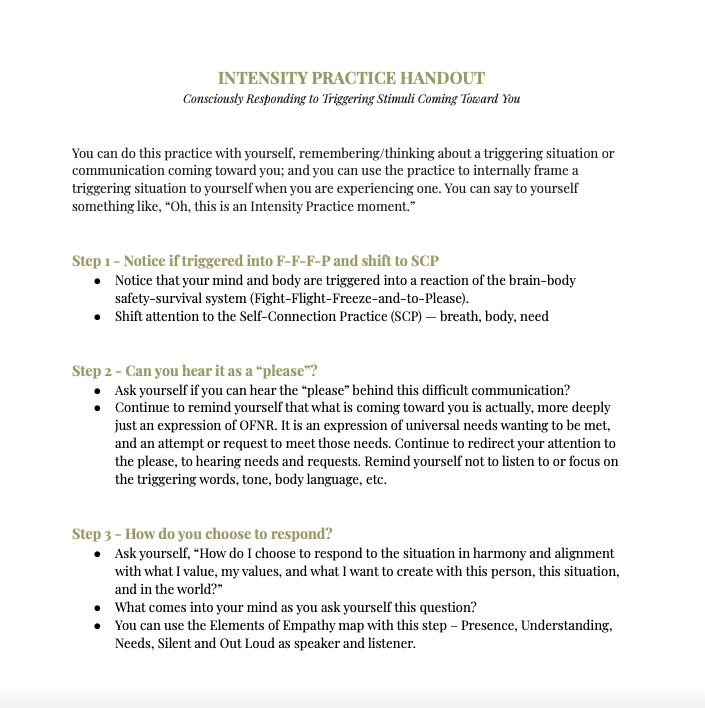
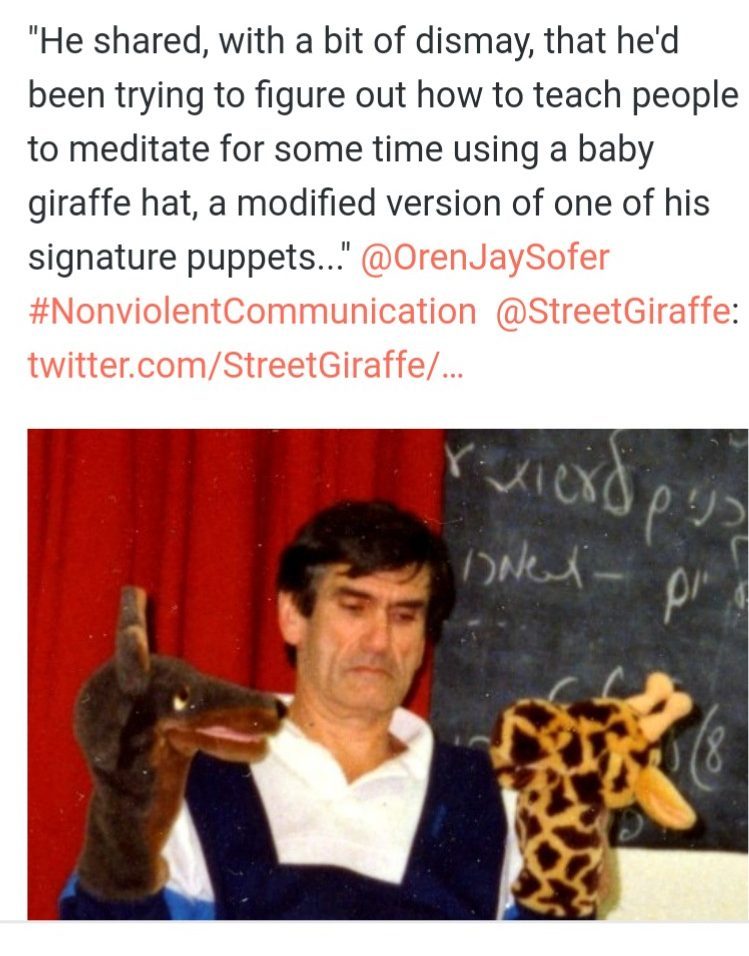
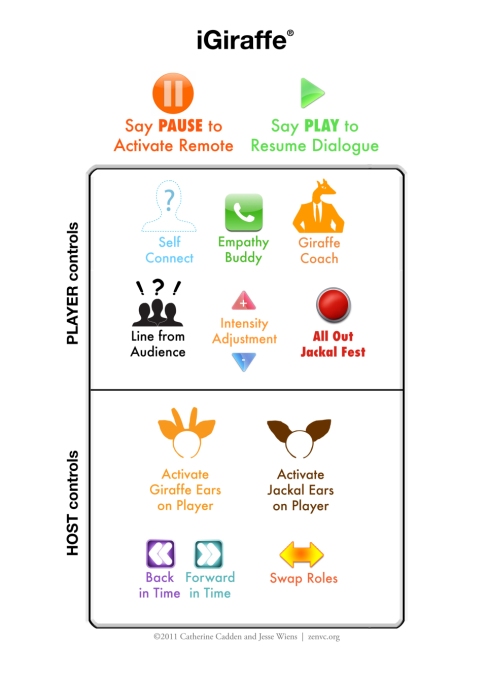
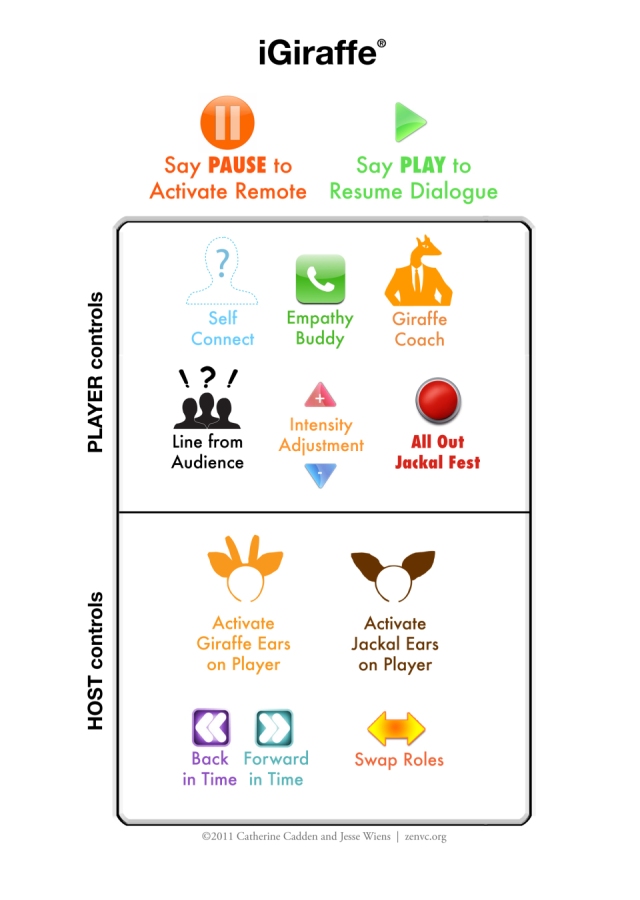
"I'm going to show you a technology today which takes insults and criticisms out of the airwaves. (Marshall puts on giraffe ears) With this technology, it will be impossible for you to hear criticisms, harsh remarks, or insults. All you can hear is what all people are ever saying, 'please' and 'thank you'. What used to sound like criticism, judgment, or blame, you will see, are really tragic, suicidal expressions of 'please'." ~ Marshall B. Rosenberg
Dialogue as a Mindfulness Practice
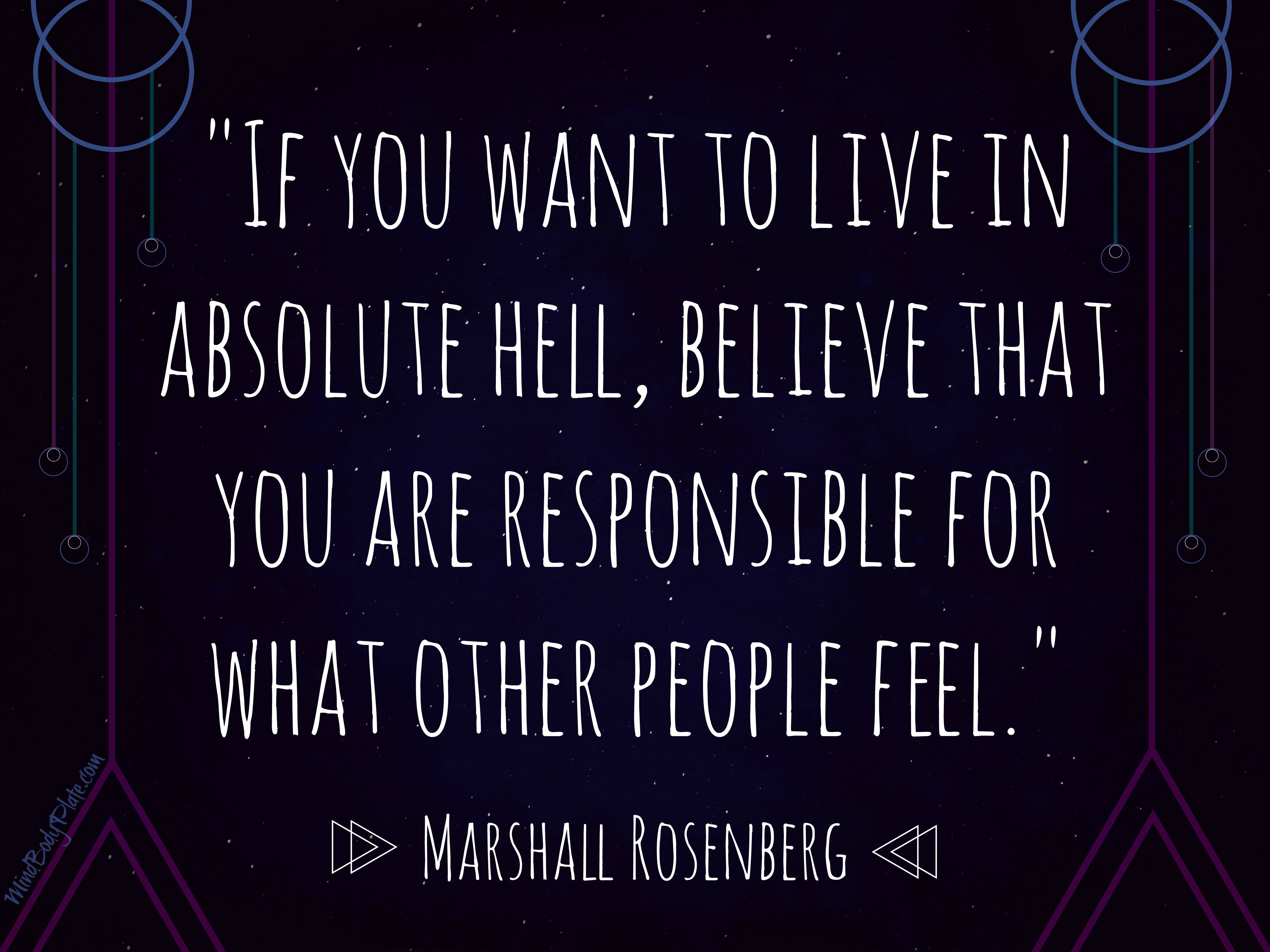
Marshall Rosenberg
"If you are a jackal, you will try to reassure. Jackals try to fix people in pain. They can't stand pain, but make matters worse by trying to get rid of it. Put on giraffe ears. Try to hear what they are feeling and needing." ~ Marshall B. Rosenberg, PhD
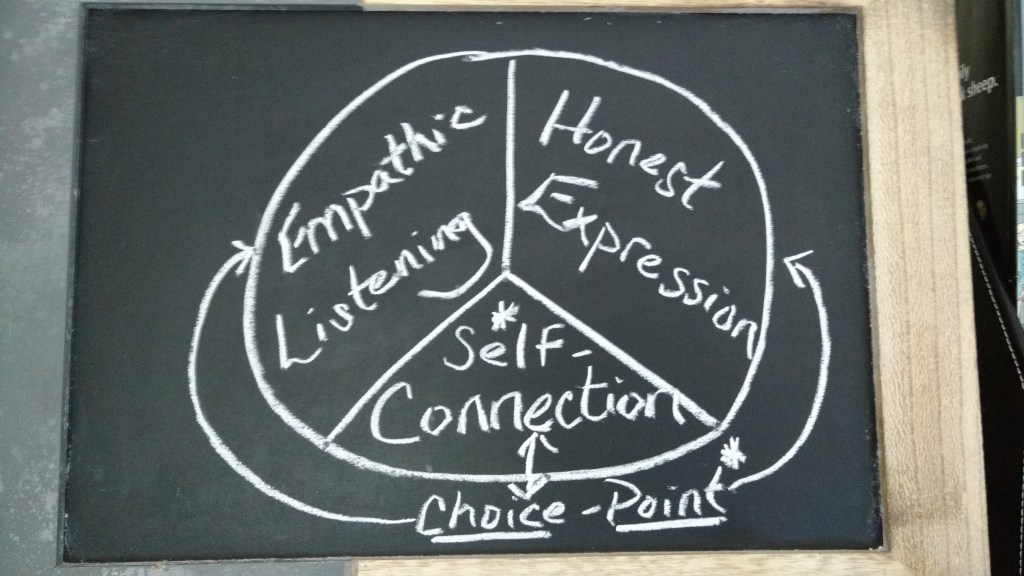
3 Dialogic Choice-Points
"If I could teach people only one tool for training in presence it would be to pause. The space of one pause can make a world of difference." p. 45 of Oren Jay Sofer's Say What You Mean
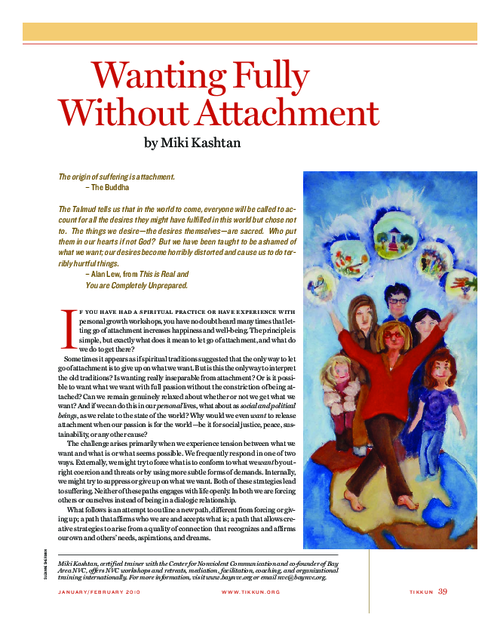
"When we are able to include our own needs in the equation fully, alongside, not instead of, others’ needs, we are more likely to experience the possibility of stepping beyond the either/or paradigm, and finding care for everyone." ~ Miki Kashtan
"There are two things that distinguish truly nonviolent actions from violent actions. First, there is no enemy in the nonviolent point of view. You don’t see an enemy. Your thinking is clearly focused on protecting your needs. Second, your intention is not to make the other side suffer." ~ Marshall Rosenberg
"The longer I live, the more deeply I learn that love — whether we call it friendship or family or romance — is the work of mirroring and magnifying each other’s light. Gentle work. Steadfast work. Life-saving work in those moments when life and shame and sorrow occlude our own light from our view, but there is still a clear-eyed loving person to beam it back. In our best moments, we are that person for another." ~ Maria Popova
On Listening
“A jest's prosperity lies in the ear
Of him that hears it, never in the tongue
Of him that makes it.” William Shakespeare, Love's Labour's Lost
"Nonviolent Communication is a way of keeping our consciousness tuned in moment by moment to that beauty within ourselves and others, and not saying anything that we think might in any way tarnish people's consciousness of their own beauty." ~ Marshall B. Rosenberg, PhD
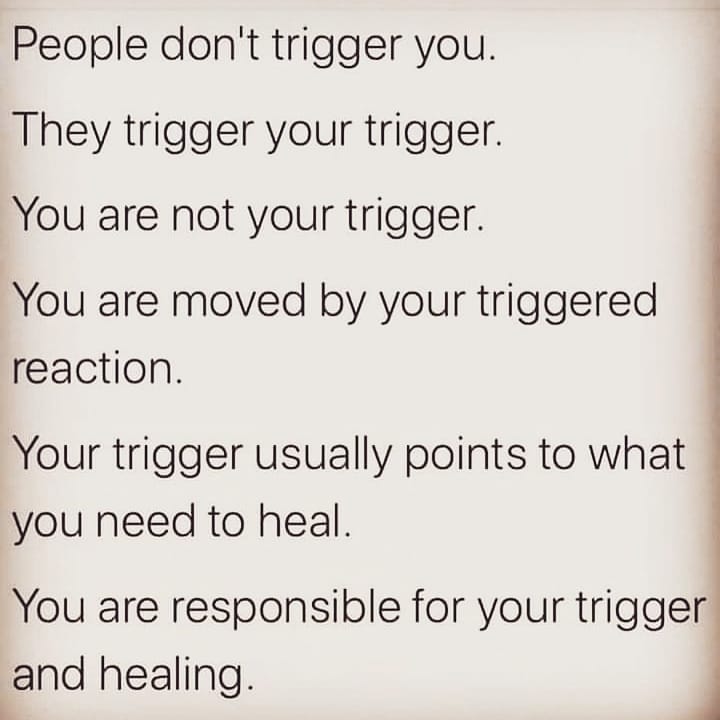
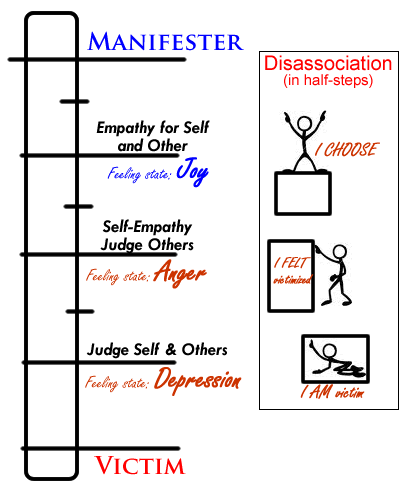
"Anger is a signal that you’re distracted by judgmental or punitive thinking, and that some precious need of yours is being ignored." ~ Marshall Rosenberg
"When we are depressed, our thinking blocks us from being aware of our needs, and then being able to take action to meet our needs." ~ Marshall Rosenberg
"I wouldn’t expect someone who’s been injured to hear my side until they felt that I had fully understood the depth of their pain." ~ Marshall Rosenberg
"True forgiveness is not about condoning or forgetting; it's about releasing ourselves from the burden of resentment and finding peace within." ~ Marshall Rosenberg
This blog/call grew out of a "Naturalizing NVC" class I took with Miki Kashtan through NVC Academy in 2011 during which I made a request of my fellow classmates that we might practice together outside of the call. It was mostly just about my wanting to gain "street giraffe" fluency by way of practice and then also cataloguing the seeds of my learning. As I say here, it's likely been sustained by way of "structured procrastination" and lots of tinkering while multi-tasking. As Peggy Smith once put it, NVC is but one fruit amidst a more plentiful fruit bowl offering of the healing powers of resonant language, which animates the arc of my life's journey and is something I hope to write about eventually. Bottom line, I'm merely a fellow practitioner/traveler yet invite any inquiries that this blog may have sparked for you.
What is Conscious Communication? (a.k.a. Nonviolent Communication or NVC)
The Chopra Center: Conscious Communication is the ability to clearly communicate what you want in life, which directly relates to your emotional well-being. The key principles of conscious communication can help you do just that… (continues)
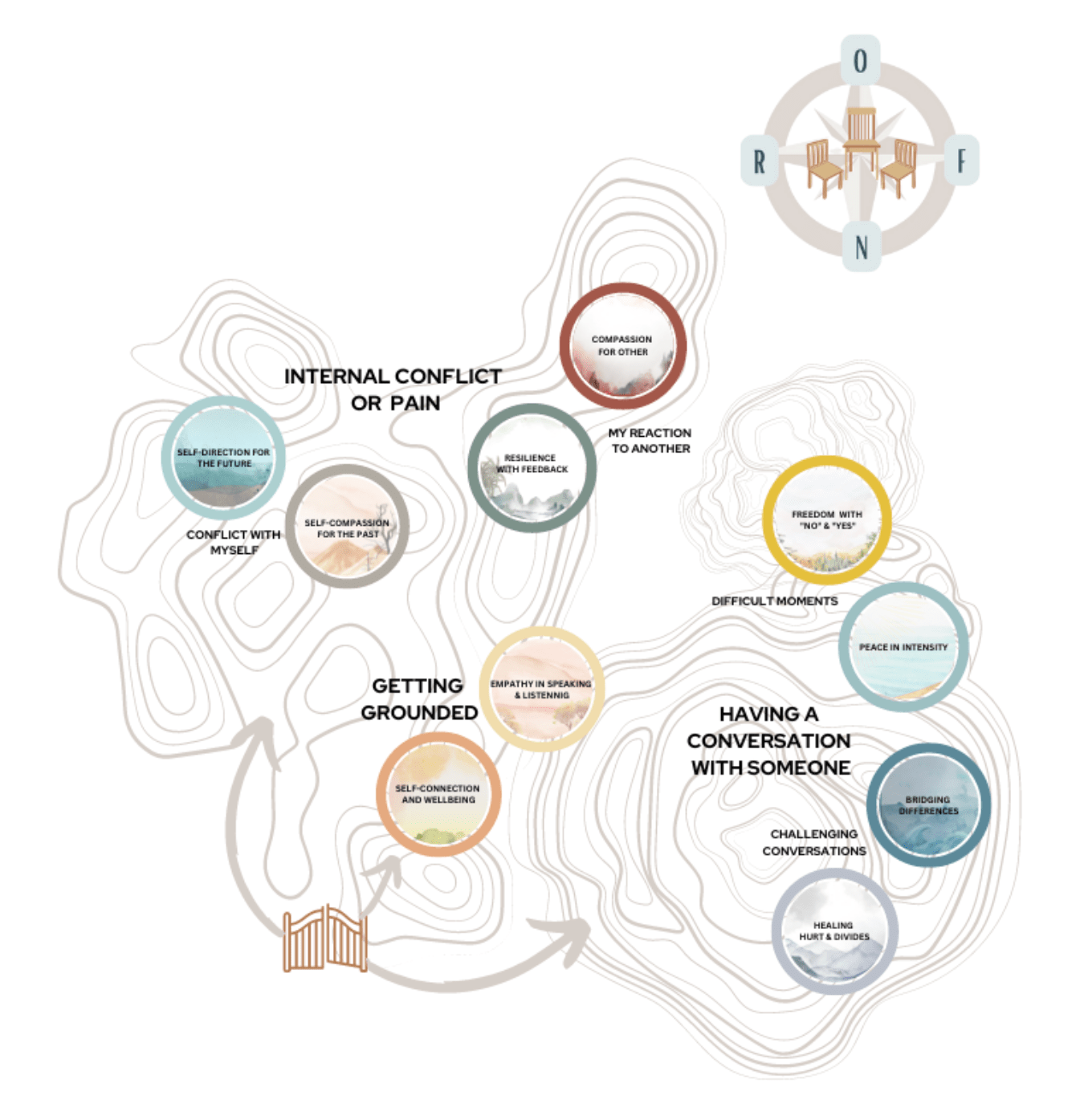
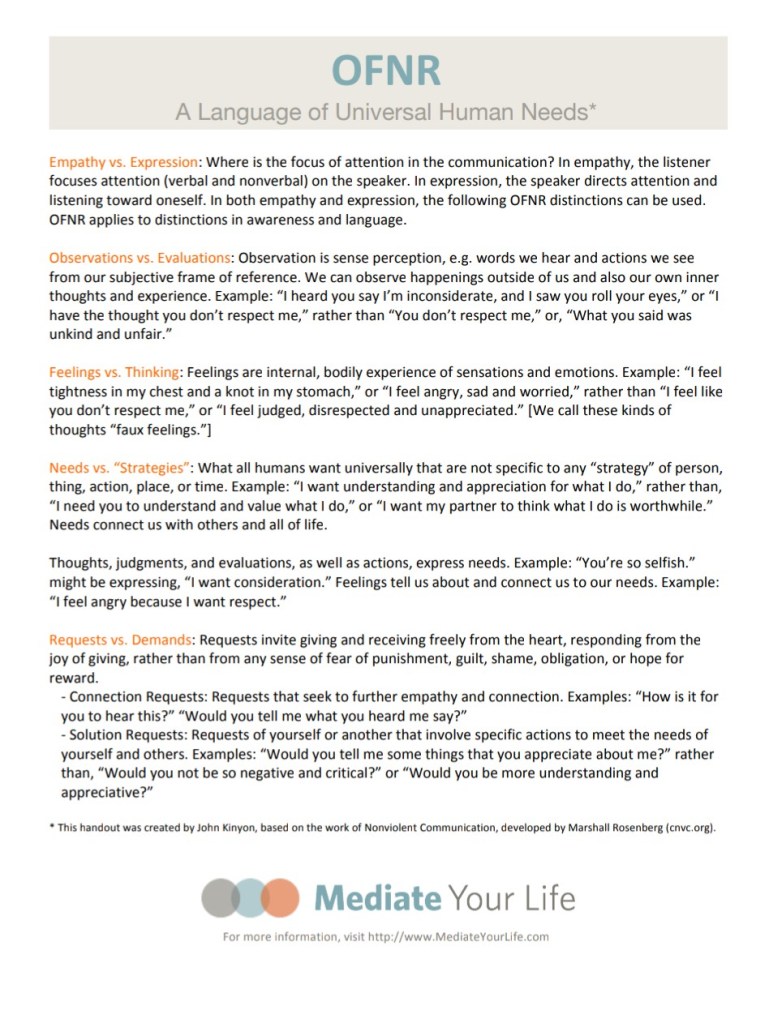
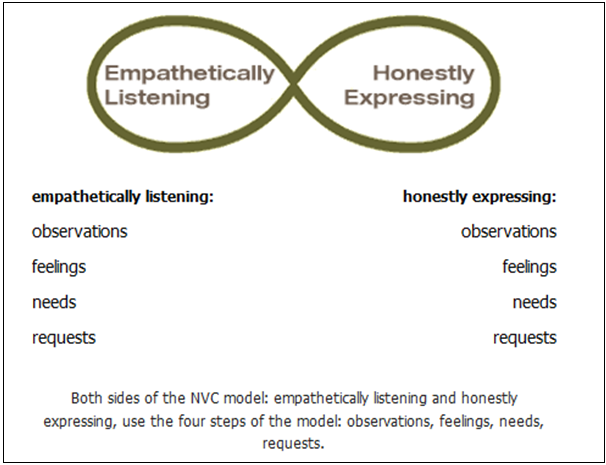
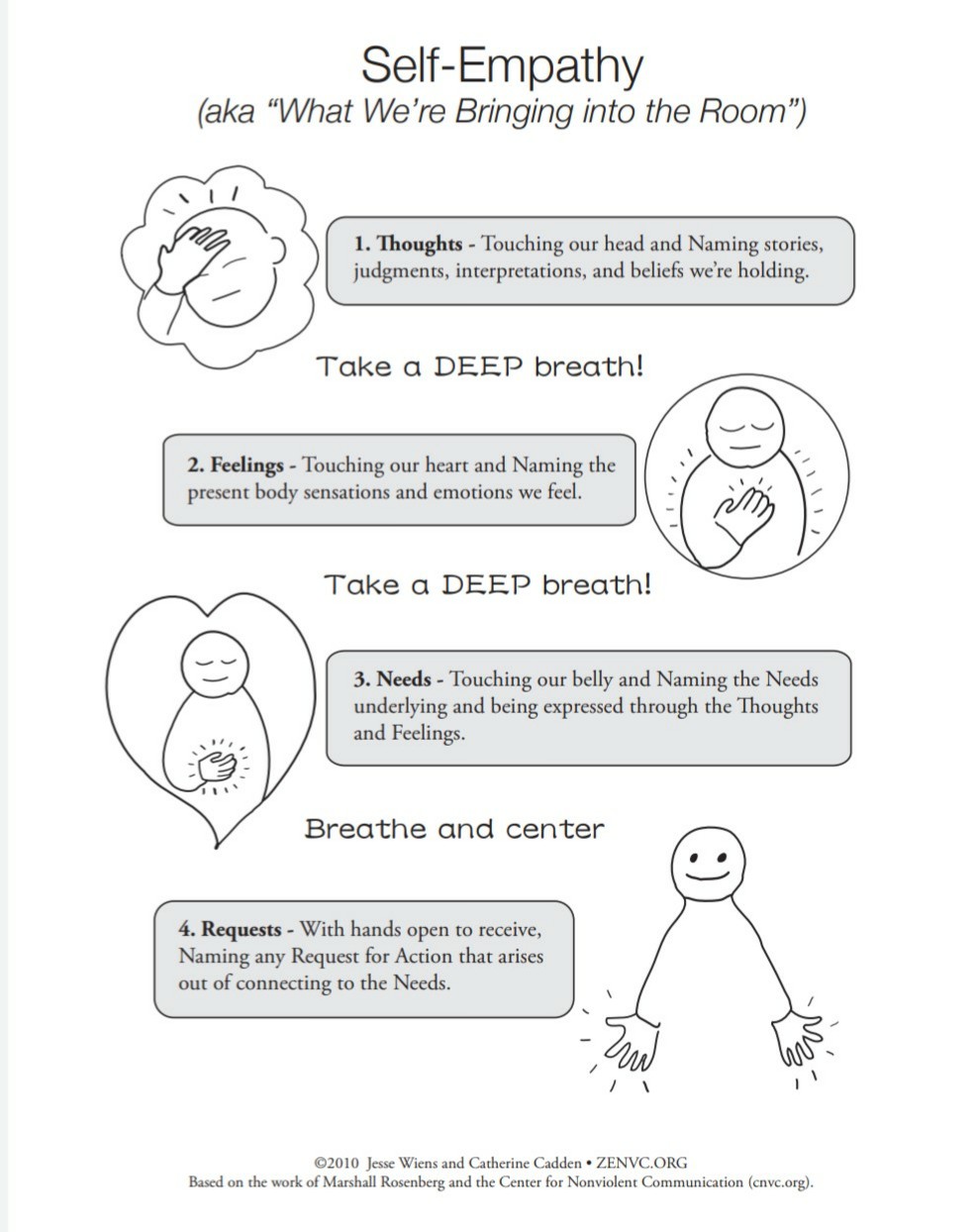
(See also OFNR: Observation, Feelings, Needs & Requests.)
Speak Peace in a World of Conflict
New to NVC?
“If I had just one book to recommend about interpersonal communication, it would be this one.” ~ Rick Hanson
"Reflect: Identify situations where your communication aligned with NVC principles, and others where you feel that you could have improved. Taking a step back can be crucial to acknowledging your progress and identifying where you want to grow." ~ Barbara Robles-Ramamurthy, MD
'You don't have to be brilliant. It's enough to become progressively less stupid." ~ Marshall B. Rosenberg
"As NVC replaces our old patterns of defending, withdrawing or attacking in the face of judgment and criticism. We come to perceive ourselves and others, as well as our intentions and relationships, in a new light. Resistance, defensiveness, and violent reactions are minimized." ~ Marshall Rosenberg
"I would like us to create peace at three levels and have each of us to know how to do it. First, within ourselves. That is to know how we can be peaceful with ourselves when we’re less than perfect, for example. How we can learn from our limitations without blaming and punishing our self. If we can’t do that, I’m not too optimistic how we’re going to relate peacefully out in the world. Second, between people. Nonviolent Communication training shows people how to create peace within themselves and at the same time how to create connections with other people that allows compassionate giving to take place naturally. And third, in our social systems. To look out at the structures that we’ve created, the governmental structures and other structures, and to look at whether they support peaceful connections between us and if not, to transform those structures." ~ Marshall Rosenberg
































































































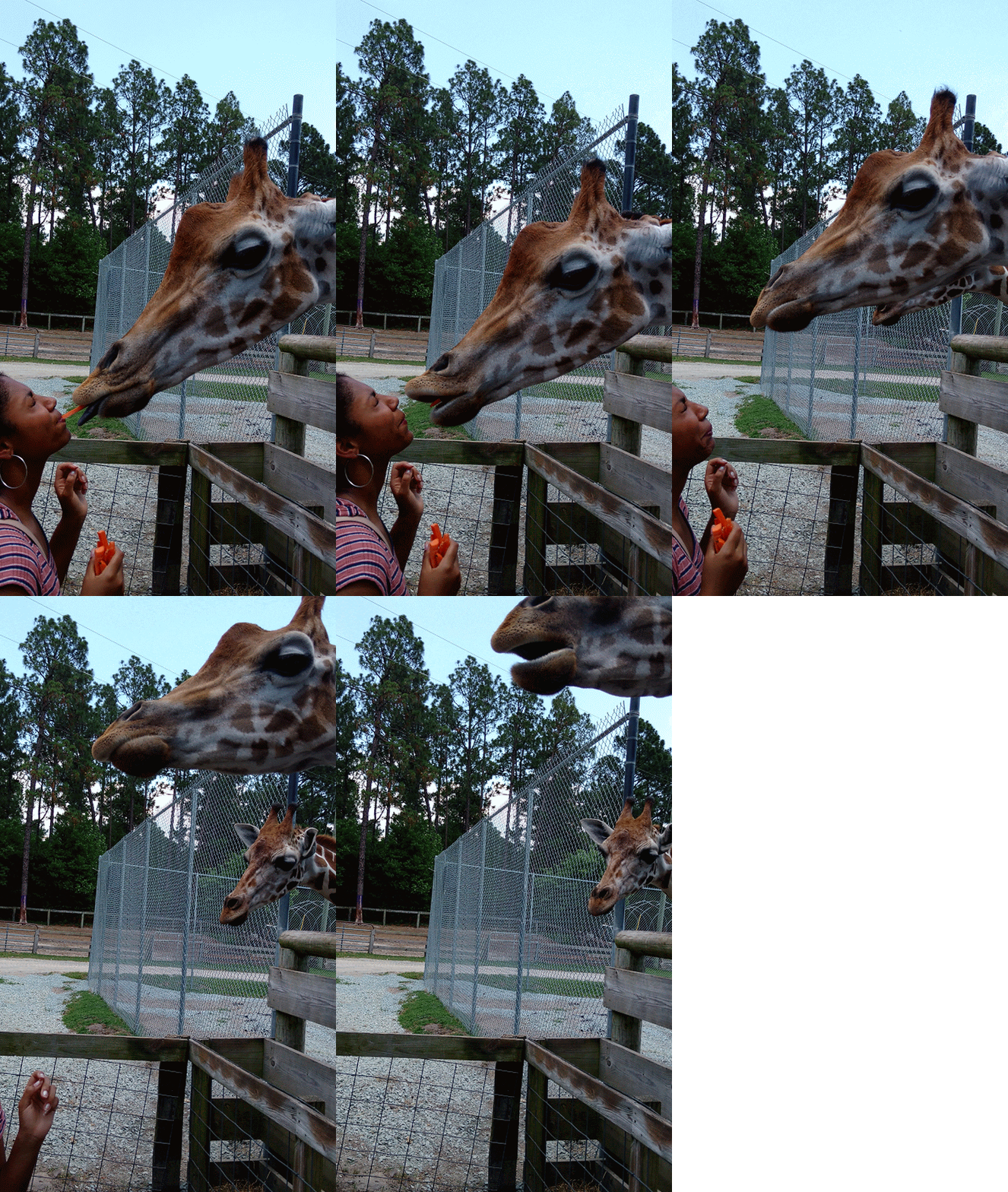
 Street Giraffes

