
Street Giraffes is a Nonviolent Communication resource blog & free, monthly telepractice group that gathers as a kind of NVC sangha, towards cultivating [universal human] needs-consciousness/mindfulness, focused especially on skill-building (e.g. dialogue-lab experimentation with iGiraffe, MediateYourLifeApp, etc.).

About Pamela / Street Giraffes
“With every choice you make, be conscious of what need it serves.”
― Marshall B. Rosenberg, PhD
Learn more as to blog/telepractice here
& NVC, more broadly, here & here

To streetify…
“Nonviolence isn’t an absence. It’s a presence. It’s a way of being…”
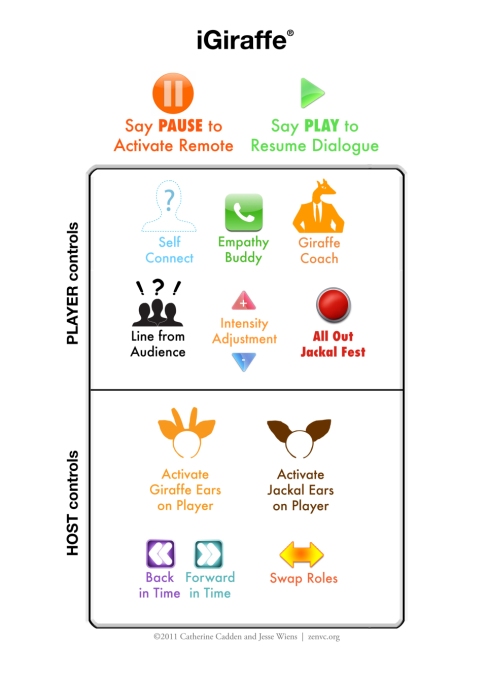
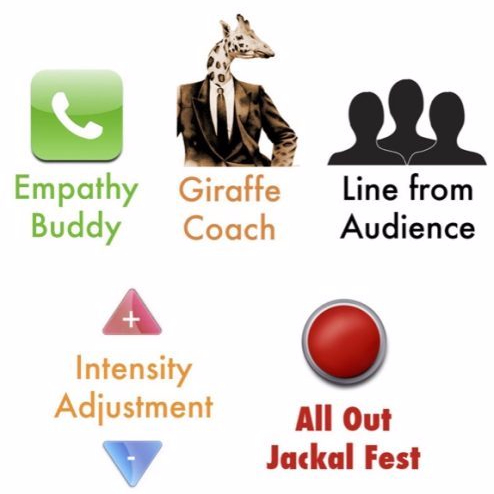
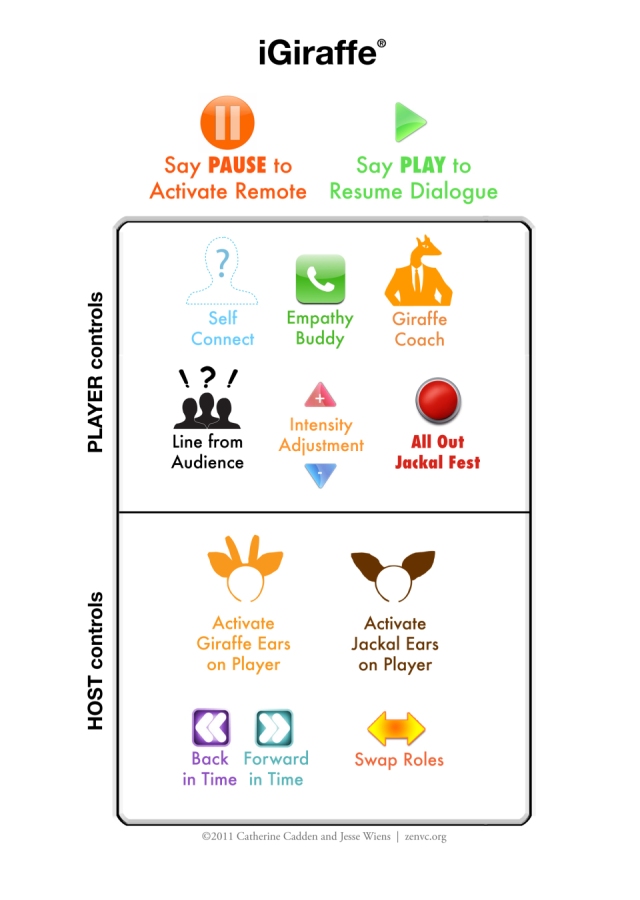
Telepractice toolbox here

“We do not rise to the level of our expectations; we fall to the level of our training.” ~ Archilochus

Our Next NVC Sangha:
Typically the 2nd Sunday of each month @ 7 pm/ET
(currently taking a break)
Join Street Giraffes
(Password Protected Meeting Wall)
or
Learn How by Contacting Pamela/@StreetGiraffe
(@streetgiraffes facilitator/blogger)
Learn more as to milestones on my path
List of my blog posts here
If you have any ideas or suggestions as to what you might find beneficial, if it were to be developed moreso on this blog, I’d invite you to share your thoughts with me (via email)…
“Nonviolent Communication is an awareness discipline masquerading as a communication process.”~ Kit Miller |
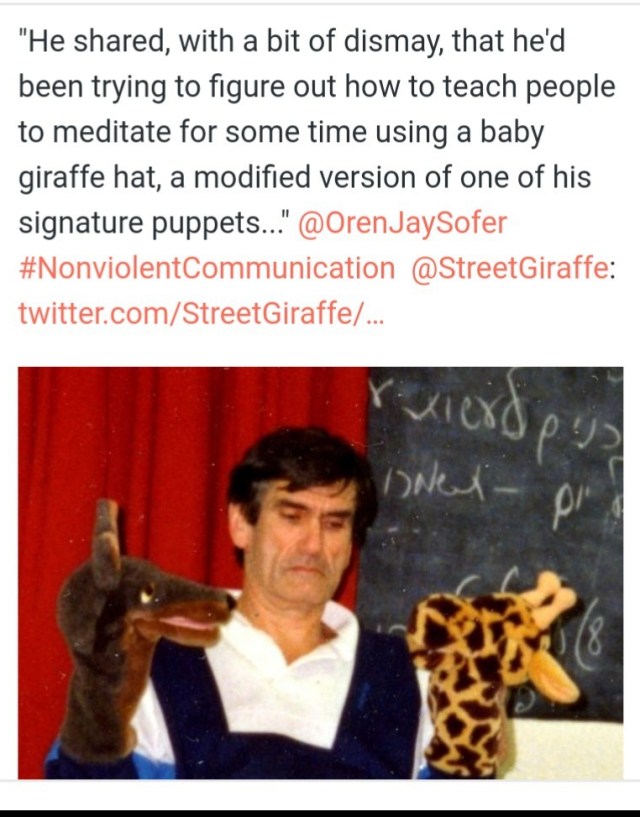
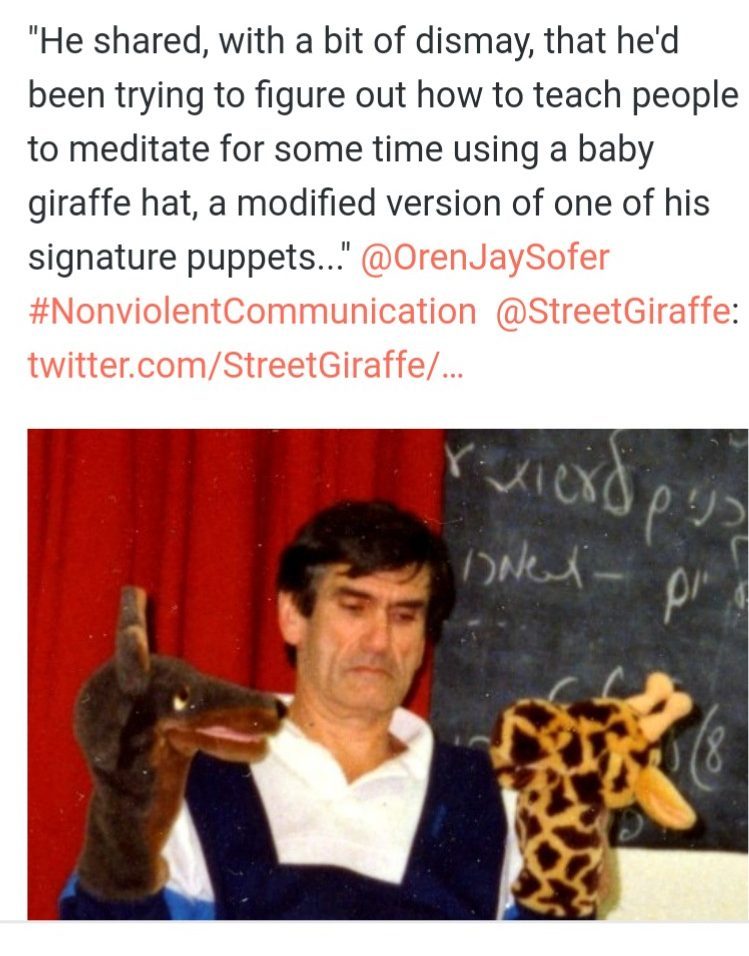
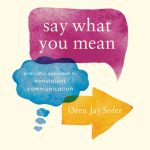
Excerpt from Oren Jay Sofer‘s introduction (re: Marshall‘s puppeteering & mindfulness) here
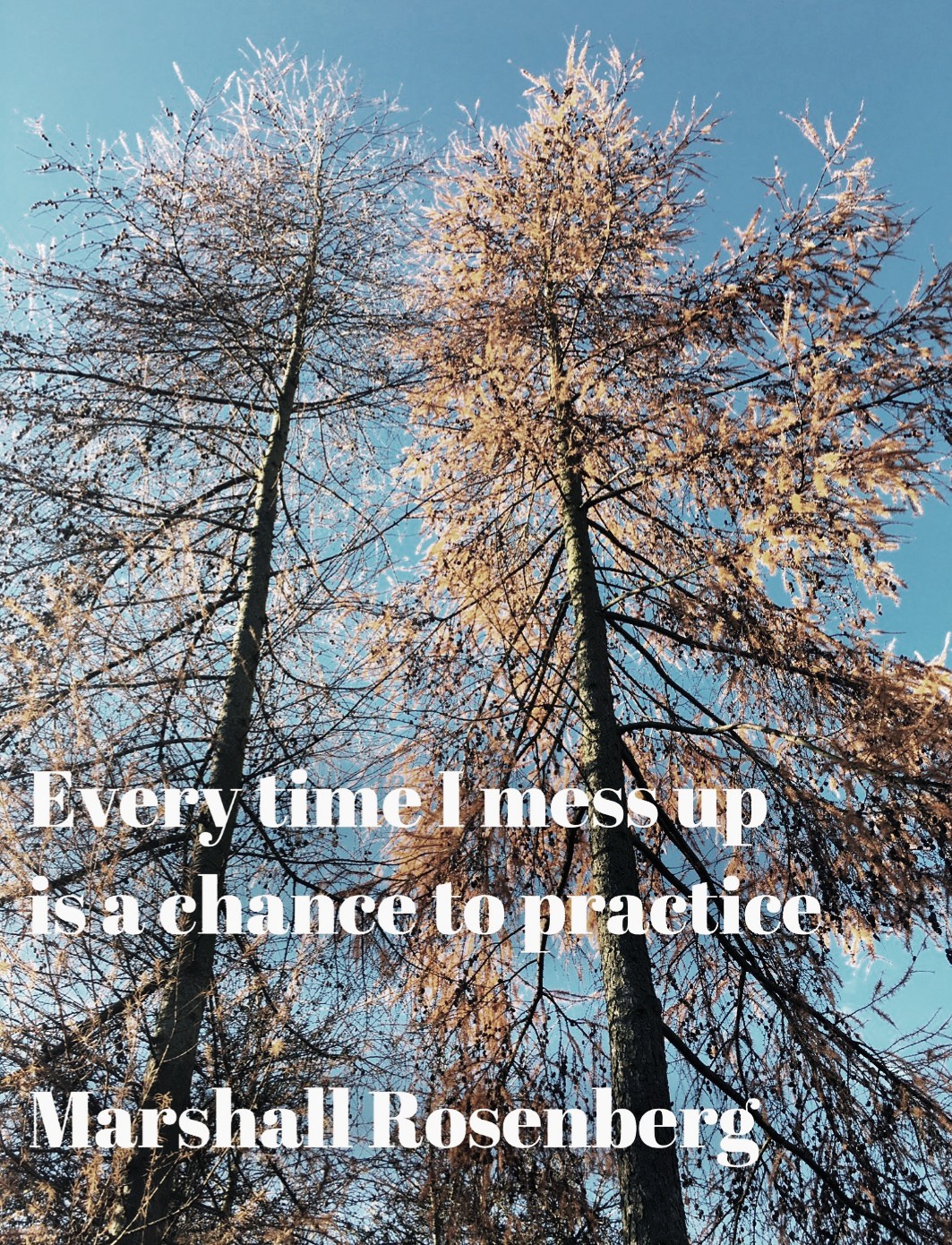
“Every time I mess up is a chance to practice.”
~ Marshall Rosenberg
How To Mediate One’s Life

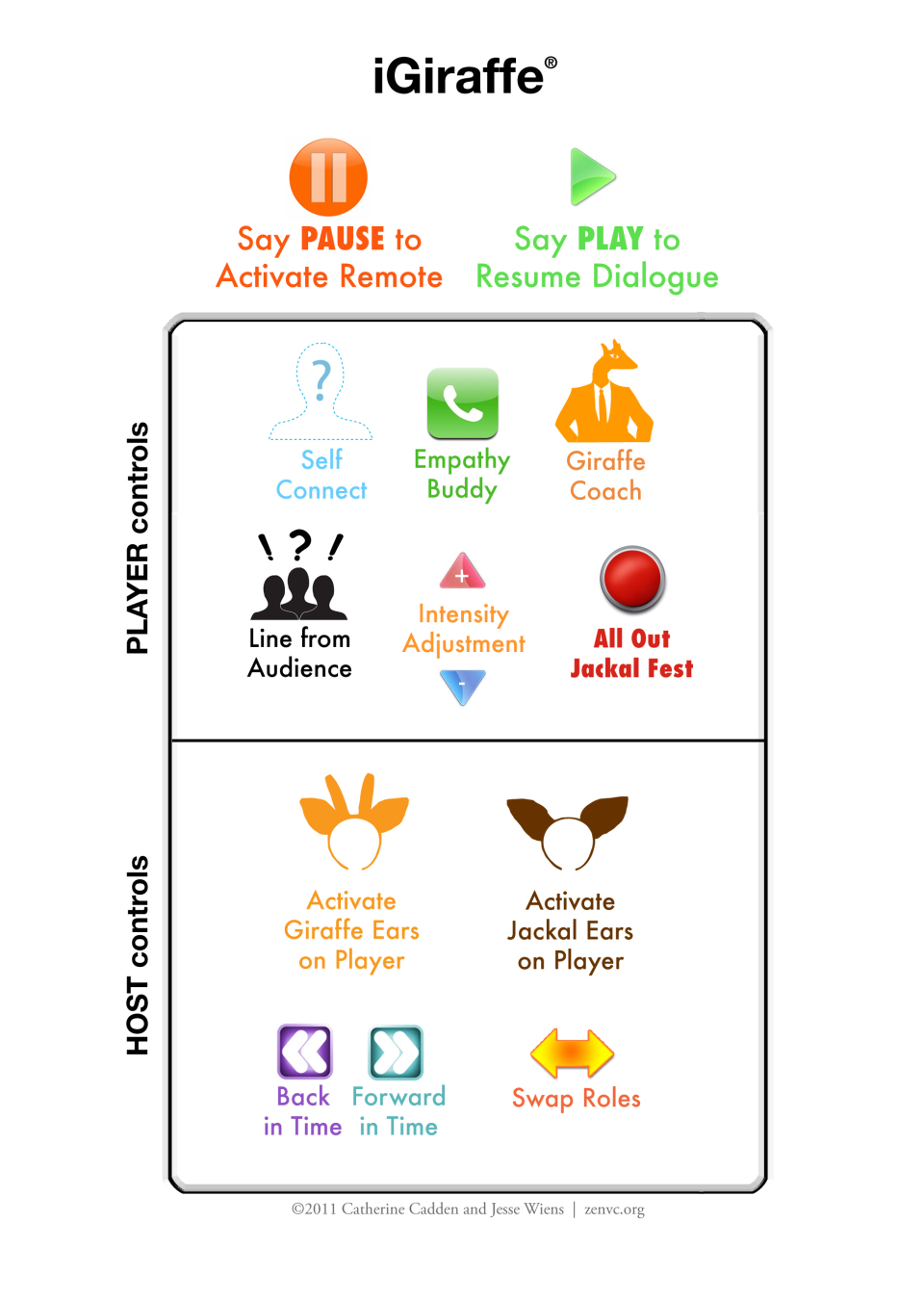
Experiments with Truth tools ⤵️
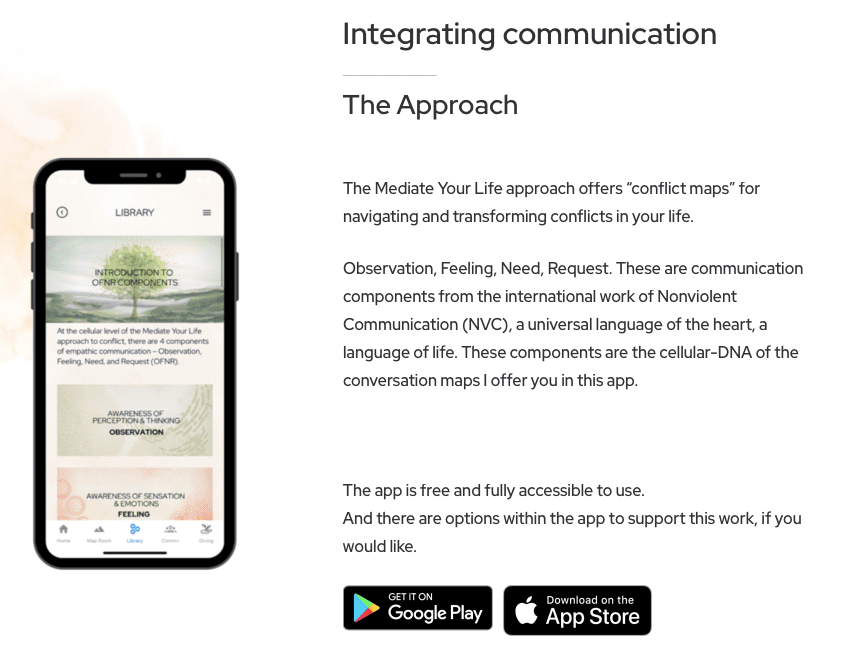
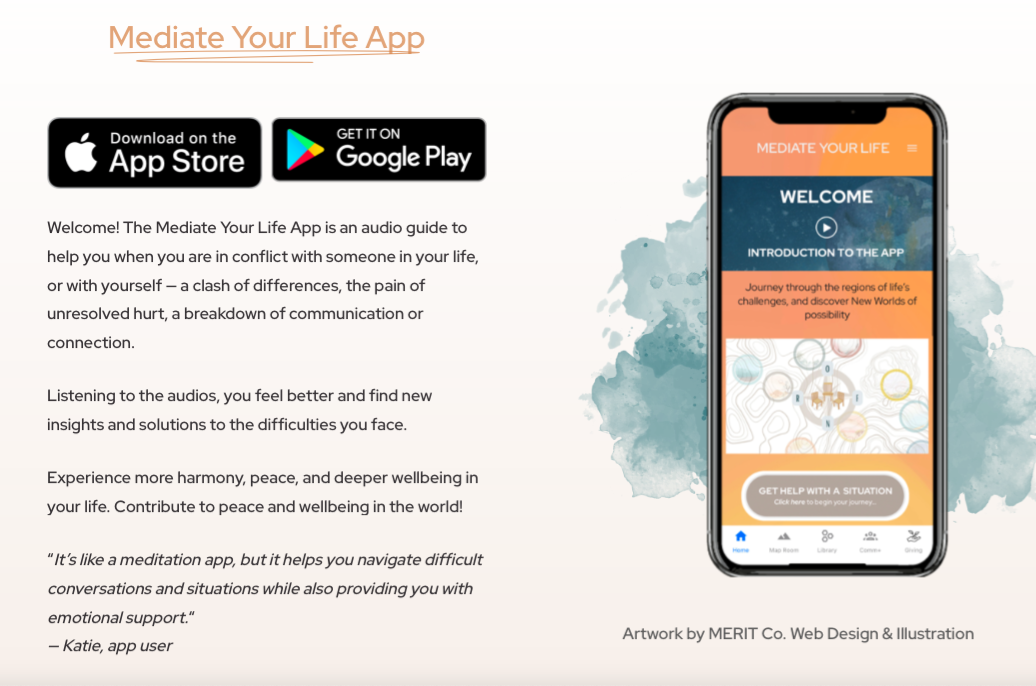
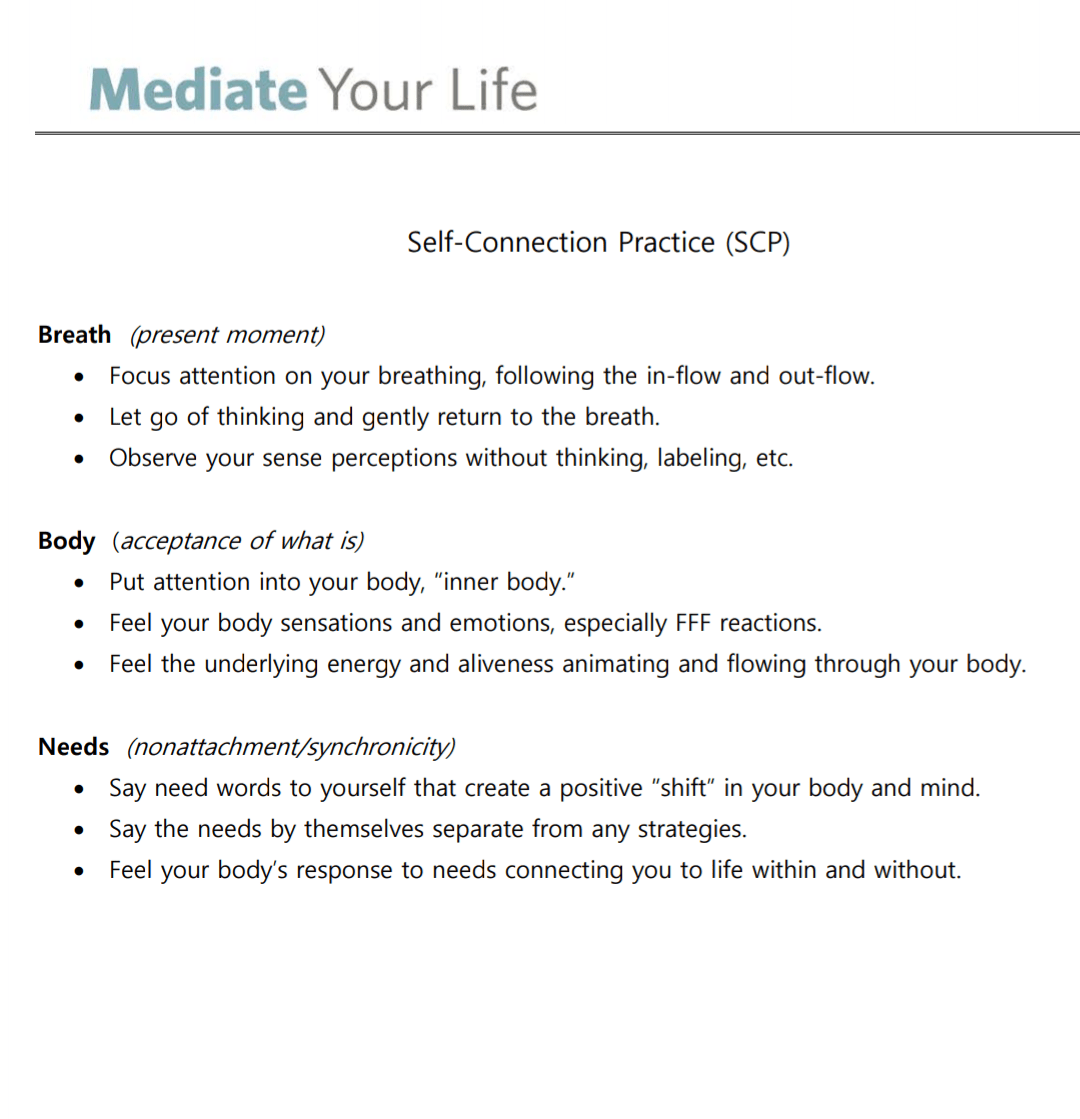
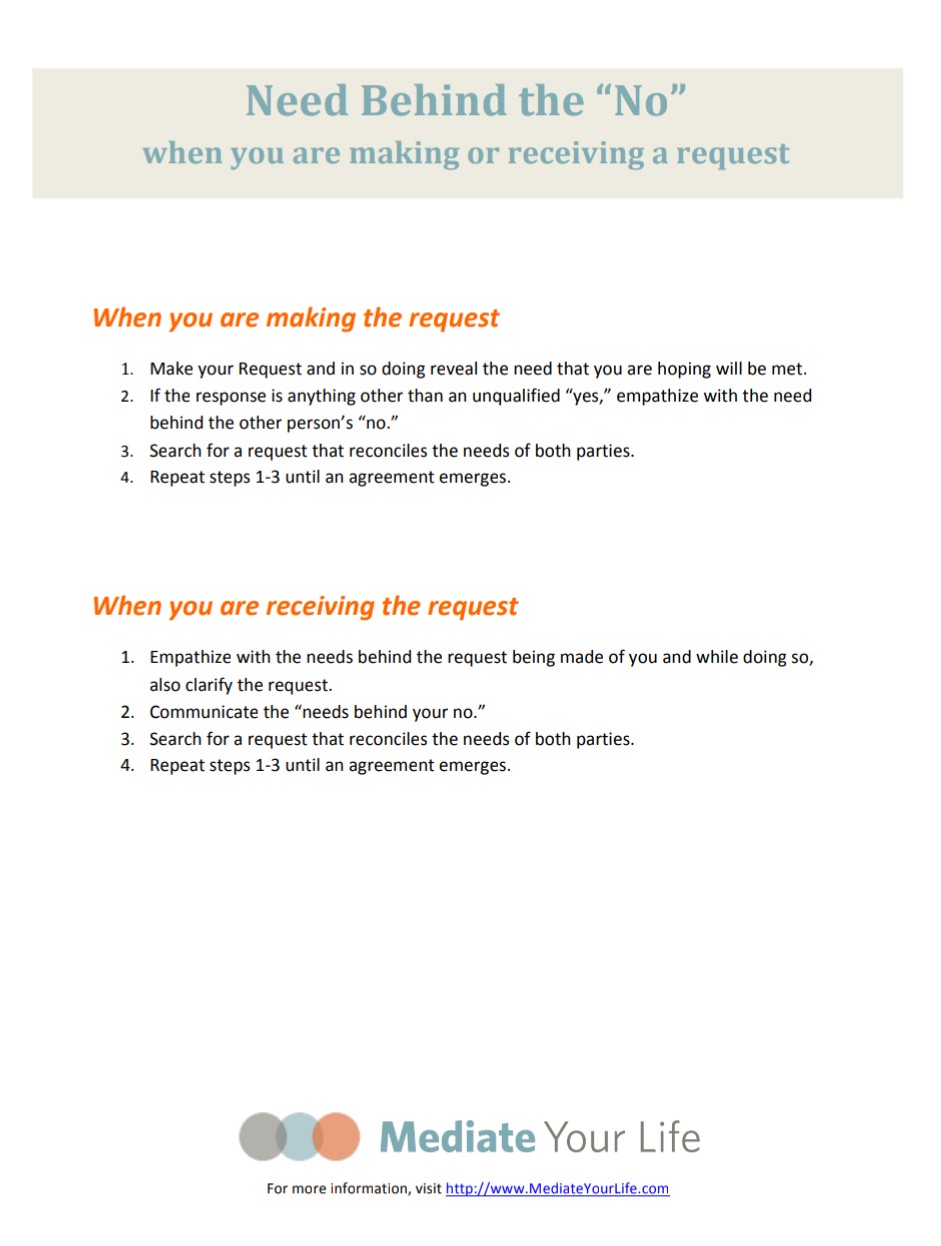
Recommended: 1) NVC-oriented podcast & 2) free Mindfulness app (courtesy of Mediate Your Life)
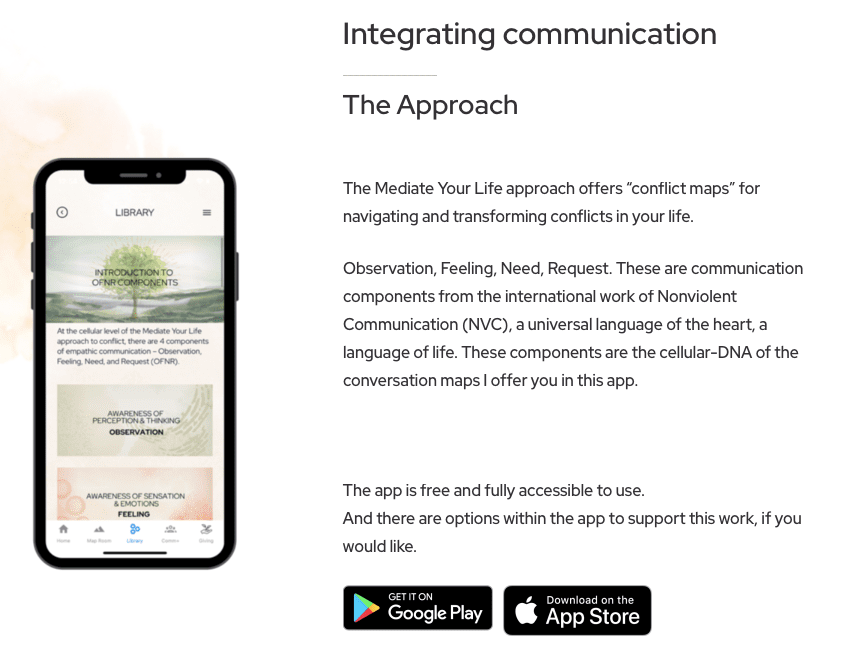
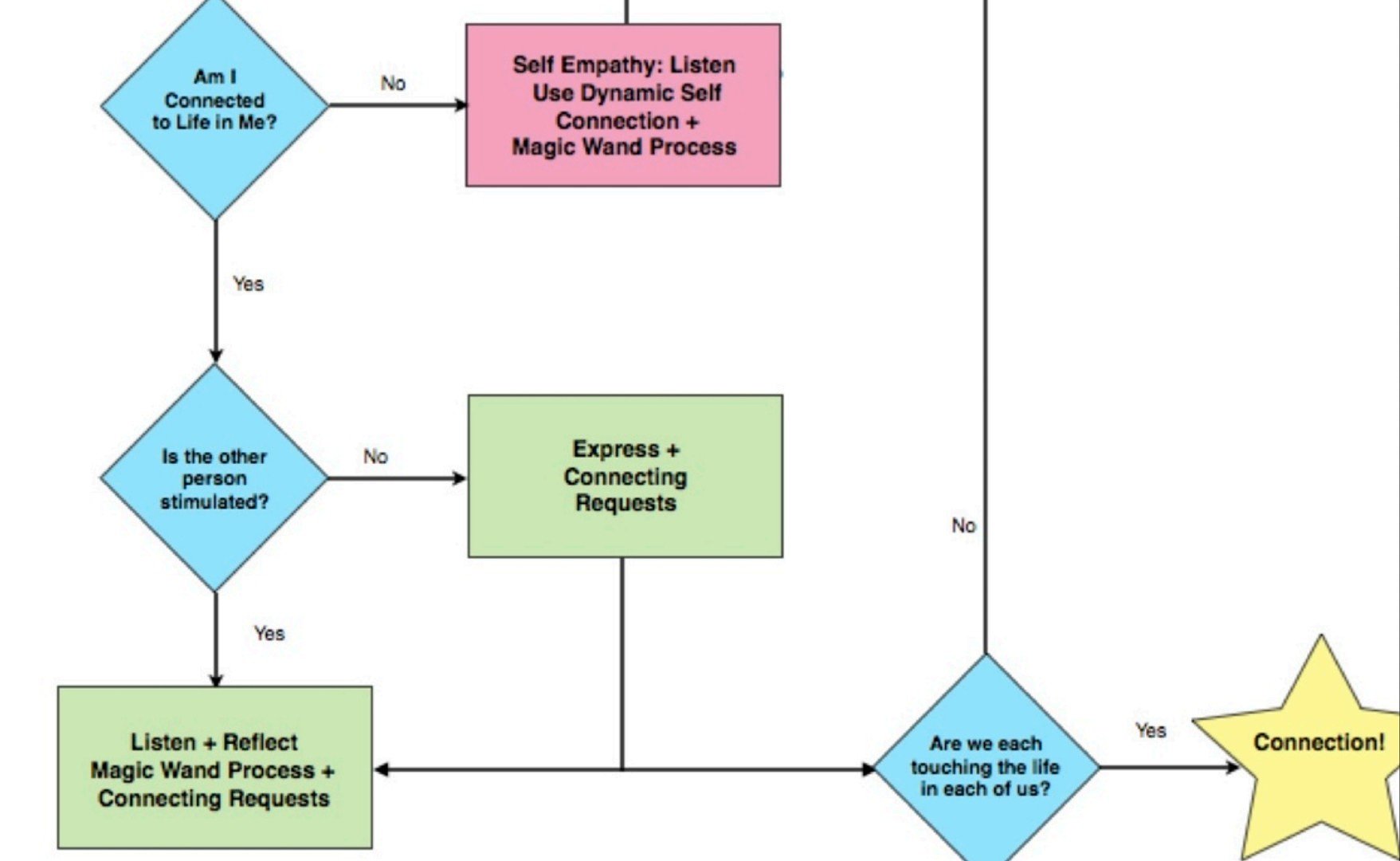
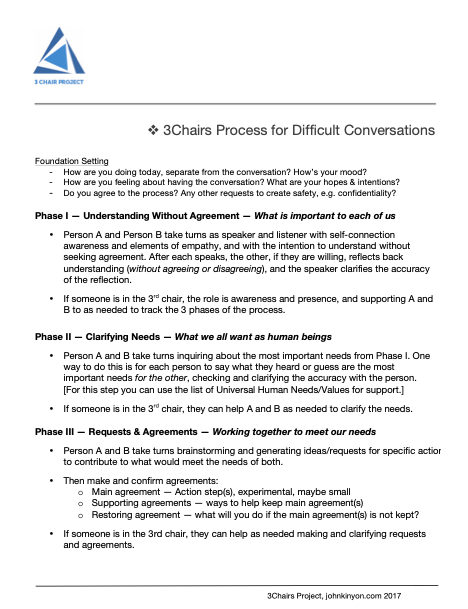
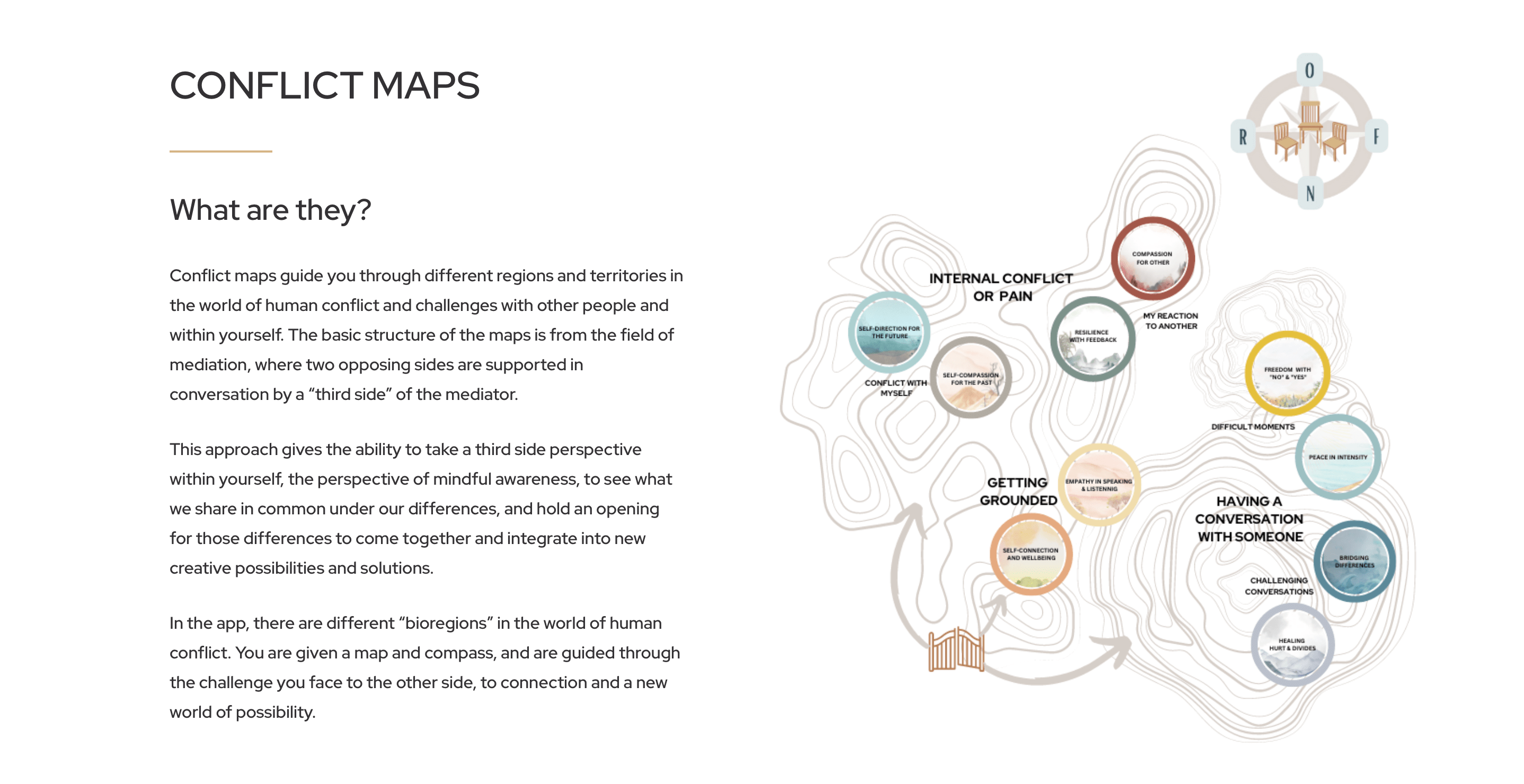
What are the Conversation Maps?

“Not everything that is faced can be changed, but nothing can be changed until it is faced.”
~ James Baldwin
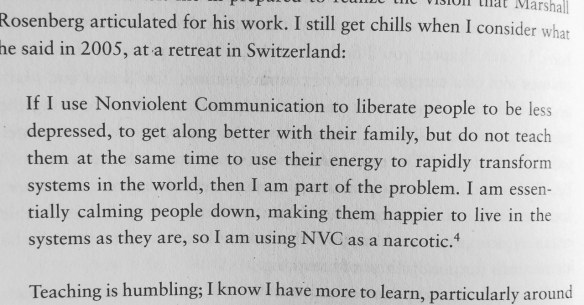
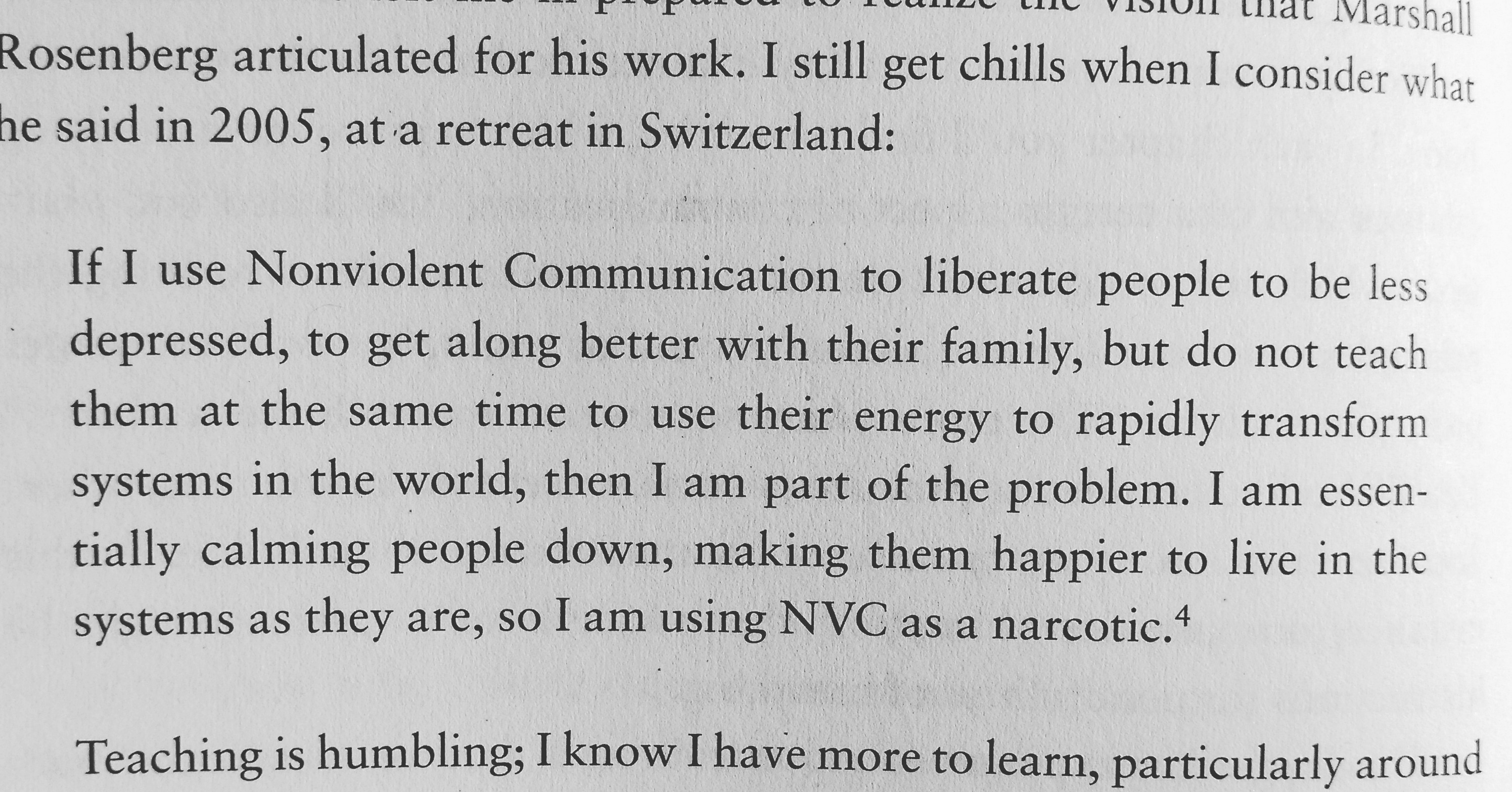
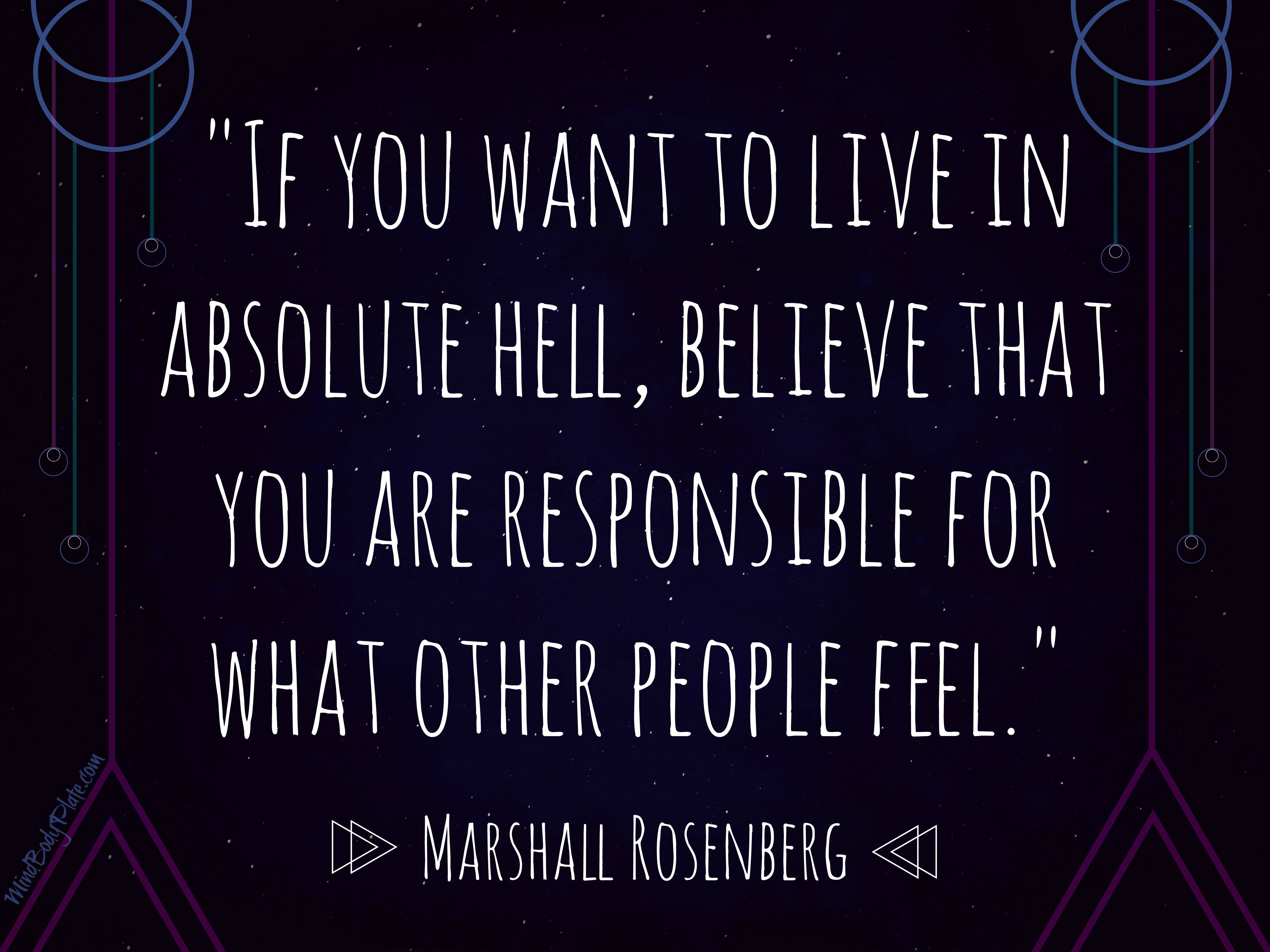
Last but not least, a favorite Marshall Rosenberg quote of mine (beneath)
Experiment with Truth [Dispatch]
Sunday, July 5, 2018 ~
Forging Shared Reality

Frederick_Douglass_& grandson_Joseph

John Kinyon’s Valentine for Marshall Rosenberg (referencing “Scary Honesty”)
Kinyon: “In times spent with Marshall Rosenberg, I often heard him tell stories with an honesty that I found courageous.
This was not a surprise. Marshall has said that, in order to create a true connection, honesty is just as important as empathy.
He coined the term “scary honesty,” because of how terrifying it can be to tell people what is true inside of us.
Part of learning how to be honest with people is dealing with them “freaking out,” Marshall said. It helps to be ready for the fact that those who hear our truth may become angry, hurt, or upset. They may well react in ways that stimulate fear in us.
The crucial distinction, Marshall points out, is recognizing that we’re not afraid of other people or their reactions. Instead, we’re afraid of our own internal reactions to their reactions. In other words, it’s not the other person who is scary. It’s the thoughts and feelings that person can evoke in me that I fear.
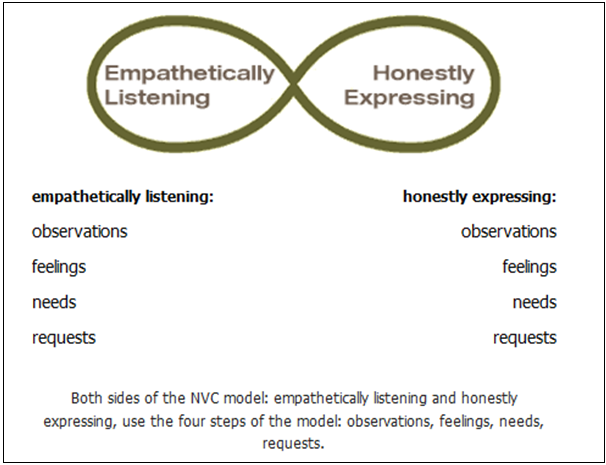
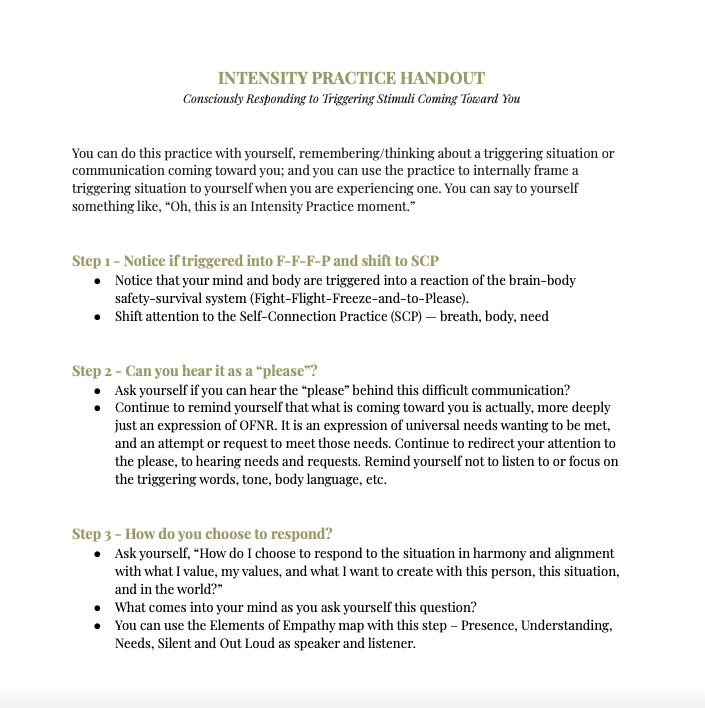
Another crucial distinction, of course, is that we can either be honest in a way that tells people what we think about them (i.e., how we’re judging them), or we can tell them what is “alive in us,” as Marshall would say. The latter gets expressed in more neutral, nonjudgmental language, in terms of OFNR (observations, feelings, needs, and requests).
However, despite our most sincere attempts to communicate our truths non-judgmentally, without blame, criticism, or demands, other people can still misinterpret and grow upset. Even so, the vulnerability created by the scary honesty is worth it, because it can open up channels of dialog and understanding that weren’t possible before.
And now I will be honest with you. Empathy with others has always come far easier to me than scary honesty. One of the hardest things for me to learn—and something I have to keep learning, over and over—has been the high price of saying “yes” when the answer was really “no,” or in staying quiet about my real feelings and desires. That’s why I’m grateful for Marshall’s teaching and his lived example. They are a continual reminder, and an invitation, to live my life more honestly and courageously.
As Marshall reminds us, the scary honesty is actually a great gift. It’s a rare thing, in our society, to tell other people what’s really going on in us and to be willing to say what we would like to receive. This gives others a chance to enjoy giving to us. And if they reciprocate that honesty, they give us the same gift. Even if the message is hard to hear, it is still a gift because it is the truth. As the old saying goes, the truth really can set us all free.”
Read Part 2, “The Importance of Play”.
“If our connection depends on hiding my authentic self, the relationship is neither a true nor a sustainable connection.” ~ Miki Kashtan, The Little Book of Courageous Living

Videos via @CupofEmpathy
More on conflict resolution here
Historic “Scary Honesty” (exemplary of articulating Universal-Human-Needs)
“True dialogue can only happen if I enter the conversation willing to be changed by it. If I am unwilling to change, to be affected sufficiently to consider options new to me, on what grounds am I expecting the other person to change?” ~ Miki Kashtan
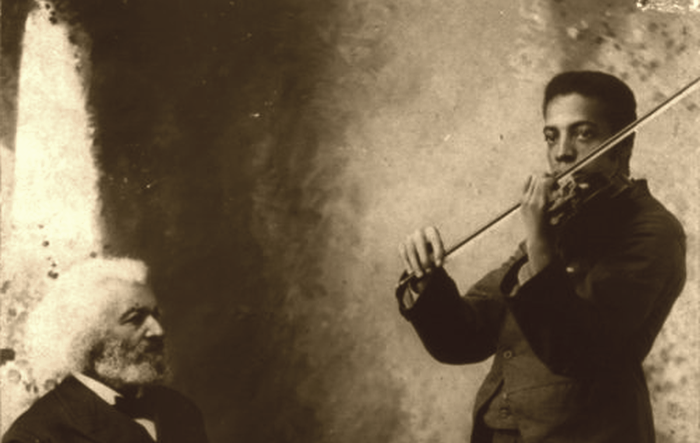
The arc of this masterful Frederick Douglass speech — delivered on this very day, July 5th in 1852 (especially if read in its entirety) — offers much fodder for thought on how a former slave turned public orator addressed the meaning that Independence Day held for him to a gathering of abolitionists (which included the then president of the United States)…
In other words, how Frederick Douglass opted to #MediateOnesLife. If you get a chance to read it (or listen to the arc of the speech, in clip directly above), please notice how he marshaled both empathy and (scary) honesty on behalf of forging a more just shared-reality.
I hadn’t considered the Nonviolent Communication [Mediation] intonations, intermingling empathy for another’s vantage point with the rawer honesty of one’s own, rather differing point of view until this fourth of July, when my niece and I watched the musical turned 1776 (film)…
In the film (clip above), John Adams — addressing state differences as to the slavery clause — says: “If we give in on this issue, posterity will never forgive us…”

Recognizing the poignancy that this debate and other slavery references in the film held for my niece, who is African-American, the next day — July 5th — it occurred to me to introduce her to the Frederick Douglass speech, which we read together (an articulation some 76 years after the Declaration, one might say, from posterity’s hindsight).
Via www.democracynow.org:
In a Fourth of July holiday special, we begin with the words of Frederick Douglass. Born into slavery around 1818, Douglass became a key leader of the abolitionist movement. On July 5, 1852, in Rochester, New York, he gave one of his most famous speeches, “The Meaning of July Fourth for the Negro.”
“What to the Slave Is the Fourth of July?”
July 5, 1852
Mr. President, Friends and Fellow Citizens:
He who could address this audience without a quailing sensation, has stronger nerves than I have. I do not remember ever to have appeared as a speaker before any assembly more shrinkingly, nor with greater distrust of my ability, than I do this day. A feeling has crept over me, quite unfavorable to the exercise of my limited powers of speech. The task before me is one which requires much previous thought and study for its proper performance. I know that apologies of this sort are generally considered flat and unmeaning. I trust, however, that mine will not be so considered. Should I seem at ease, my appearance would much misrepresent me. The little experience I have had in addressing public meetings, in country schoolhouses, avails me nothing on the present occasion.
The papers and placards say, that I am to deliver a 4th [of] July oration. This certainly sounds large, and out of the common way… (continues)
Another Reading Of ‘What To A Slave Is The 4th Of July’ By Frederick Douglass: here |
What to the Slave Is the Fourth of July? – Wikipedia
“What to the Slave Is the Fourth of July?“[a] is an untitled speech originally given by Frederick Douglass on July 5, 1852.[1] He gave the speech, which is over 2,500 words long, to the Ladies’ Anti-Slavery Society in Corinthian Hall in Rochester, New York,[1] a city that was a center of abolitionist activities.[1] The President of the United States and other important figures were also in attendance when Douglass gave the speech… (continues)
Thomas Jefferon’s Monticello
Hemmings Cabin
Addendum
Parallels between now and then…
World as Lover, World as Self
“We are bombarded by signals of distress — ecological destruction, social breakdown, and uncontrolled nuclear proliferation. Not surprisingly, we are feeling despair — a despair well merited by the machinery of mass death that we continue to create and serve. What is surprising is the extent to which we continue to hide this despair from ourselves and each other. If this is, as Arthur Koestler suggested, an age of anxiety, it is also an age in which we are adept at sweeping our anxieties under the rug. As a society we are caught between a sense of impending apocalypse and an inability to acknowledge it. Activists who try to arouse us the the fact that our survival is at stake decry public apathy. the cause of our apathy, however, is not mere indifference. It stems from a fear of confronting the despair that lurks subliminally beneath the tenor of life-as-usual. A dread of what is happening to our future stays on the fringes of awareness, too deep to name and too fearsome to face… (continues)” ~ Joanna Macy, World as Lover, World as Self; Parallax Press (2005)
Pictures From Youth Climate Strikes Around the World
#childrensgaze
Greta Thunberg nominated for Nobel peace prize | Environment
See more here: @thecitizeness

(credit: Anders Hellberg of Effekt magazine)










































































 Street Giraffes